Quick answer
You can finance a business vehicle bought at auction, but the timing is tight. Auction houses usually require a deposit on the day and the balance within a short settlement window, so arrange conditional approval before you bid. Lenders typically want the auction listing, the buyer's notice or tax invoice, and confirmation the vehicle meets their age and condition rules.
Key points
- Line up approval before auction day — settlement windows are short.
- Check the auction house's deposit, buyer's premium and payment deadline in the terms.
- You usually buy as-is, so inspect or get a report beforehand.
- Set a maximum bid that includes fees and on-road costs, and stick to it.
- Before bidding
- Get approval in principle
- On the day
- Deposit usually required
- After
- Balance by the auction's deadline
- Condition
- Usually sold as-is
Why buy work vehicles at auction?
Auctions are where a lot of ex-fleet, ex-government and ex-lease vehicles end up. For a business, that can mean well-maintained utes, vans and light trucks with full service histories, often at keen prices. Online auctions have made it easier to bid from anywhere in Australia.
The catch is pace. Once the hammer falls, you’ve bought the vehicle and the clock starts on payment. If finance isn’t ready, a good buy can turn into a lost deposit.
How do you finance an auction purchase?
The trick is to do the finance work before auction day:
- Get approval in principle. A lender assesses your business — ABN, trading history, bank statements or BAS, credit once you decide to apply — and approves an amount subject to the vehicle.
- Share the listings you’re watching. Some lenders have rules on vehicle age, kilometres or type. Better to know before you bid.
- Check the auction terms. Note the deposit, buyer’s premium, payment deadline and pick-up rules.
- Bid within your limit. Include the buyer’s premium, transport, registration and stamp duty in your maximum.
- Send the invoice straight away. The lender confirms the vehicle and pays the auction house.
- Collect and register. Transfer registration and pay any duty through your state authority.
Which finance structure works for auctions?
A chattel mortgage is the usual choice: your business owns the vehicle from day one and the lender takes security over it. Leases are rarely used for auction purchases because they’re generally set up on dealer sales. If you own property, a property-secured loan can also fund auction purchases quickly — useful for heavier equipment or several vehicles at once.
What lenders look for in auction vehicles
| Factor | What a lender may ask |
|---|---|
| Age at end of term | Many lenders cap how old a vehicle can be when the finance ends |
| Condition | Condition reports, photos or inspection notes |
| Type | Specialised bodies may need extra information |
| Seller | Whether GST applies and who issues the invoice |
| Security | A clear title once settled |
Most auction houses clear any existing finance before sale, but it’s sensible to confirm, and to run your own PPSR search on the VIN if you can.
The as-is problem
Auction vehicles are usually sold as-is, with limited or no warranty. Before you bid:
- read the condition report carefully and look at every photo;
- inspect in person if you can, or pay for an independent inspection;
- check service records — ex-fleet vehicles often have good ones;
- budget for tyres, a service and any fit-out changes;
- be wary of vehicles with damage notes or unknown history.
GST at auction
Whether GST applies depends on who’s selling. Vehicles sold on behalf of GST-registered businesses usually include GST, and the ATO allows a registered buyer to claim a credit for business use, capped at one-eleventh of the car limit for passenger cars. Some vehicles are sold on behalf of private owners with no GST. Check the listing, then check the invoice. See GST on business vehicles for the details.
Illustrative example: a builder’s ex-fleet tipper
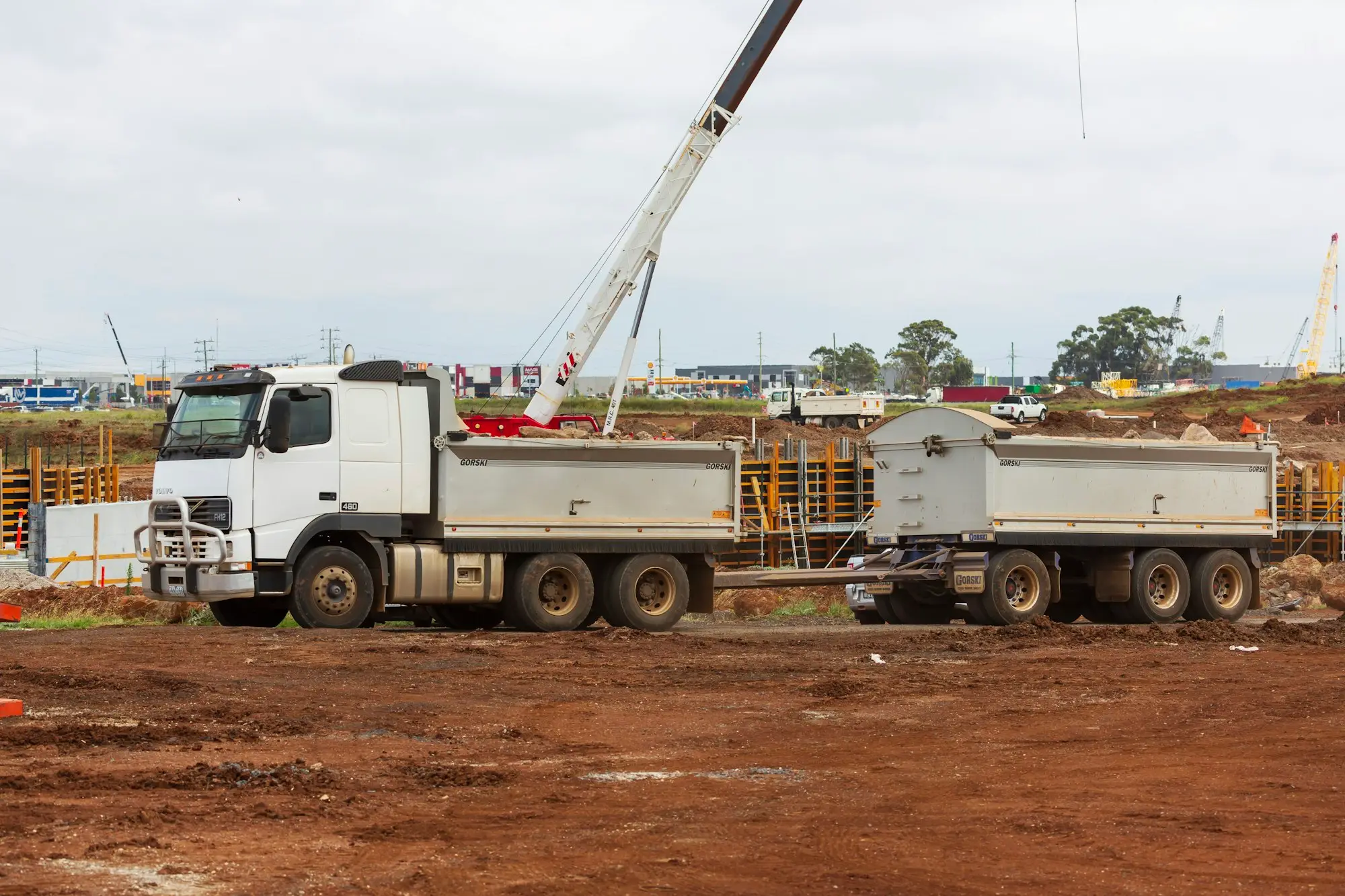
Illustrative only. A small building company wants a second light tipper truck. It gets approval in principle for a chattel mortgage, watches three ex-fleet tippers at an online auction, and sets a ceiling that includes the buyer’s premium and transport. It wins the second one, emails the tax invoice that afternoon, and the lender pays the auction house within the settlement window. The company claims the GST on its next BAS after checking with its bookkeeper.
Auction or dealer?
Auctions can deliver value, but they reward preparation. If time is short or you want more protection, a dealer may suit better — see our comparison of dealer and private sales, and the light truck finance page if you’re bidding on something heavier than a ute.
What does an auction purchase really cost?
The hammer price is only the start. When you set your ceiling, build in every cost that lands on your business between the bid and the first job:
| Cost | Where it comes from |
|---|---|
| Buyer’s premium | Charged by the auction house on top of the hammer price |
| Transport | Getting the vehicle from the auction yard to your depot |
| Registration transfer | Your state or territory registration authority |
| Stamp duty | Calculated by your state revenue office on the vehicle’s value |
| Roadworthy or safety certificate | Required in some states before transfer |
| Immediate maintenance | Tyres, service, battery, wipers — whatever the report flagged |
| Fit-out | Racks, shelving, signwriting, tow bar |
Some of these can be included in the finance and some can’t. Ask before the auction, not after. Our page on stamp duty and registration links to each state authority so you can estimate duty before you bid.
A simple bidding rule
Work backwards. Start with the total amount you’re comfortable financing plus any cash you’ll contribute, subtract the buyer’s premium and every cost in the table, and what’s left is your maximum bid. Write it down and don’t move it on the day. Auctions are designed to create urgency; your finance approval is designed around a number, and going over it can leave you scrambling to cover the gap within the settlement window.
Online auctions from interstate
Online bidding has opened up ex-fleet vehicles across Australia. If you win a vehicle in another state, allow extra time for transport, check whether you’ll need an interstate inspection to register it at home, and let your lender know where the vehicle is so it can settle without delay.
Get approved before you bid
The best time to enquire is a week or two before the auction. Start a quick enquiry and tell us what you’re planning to bid on.
There’s no credit check just to ask. Your enquiry stays with one specialist rather than being shopped around, and that person calls you to work out an approval that matches the vehicles you’re watching. Accurate answers about your business and the likely price range help us move quickly — and with auctions, quickly matters. Send your details.
Frequently asked questions
Can I get finance approval before I win the auction?
Yes, and you should. Most lenders can assess your business and give an approval subject to the specific vehicle, so once you win, they only need the vehicle details and invoice to settle.
Will a lender pay the auction house directly?
Usually yes. Once the lender has the buyer's notice or tax invoice and is satisfied with the vehicle, it pays the auction house, and you collect the vehicle.
Do auction vehicles include GST?
It depends on the seller. Vehicles sold on behalf of GST-registered businesses, fleets or government usually include GST, which a registered buyer can generally claim. Check the listing and the invoice.
What if I can't settle in time?
You may lose your deposit and face other costs under the auction terms. That's why getting approved before you bid matters so much.