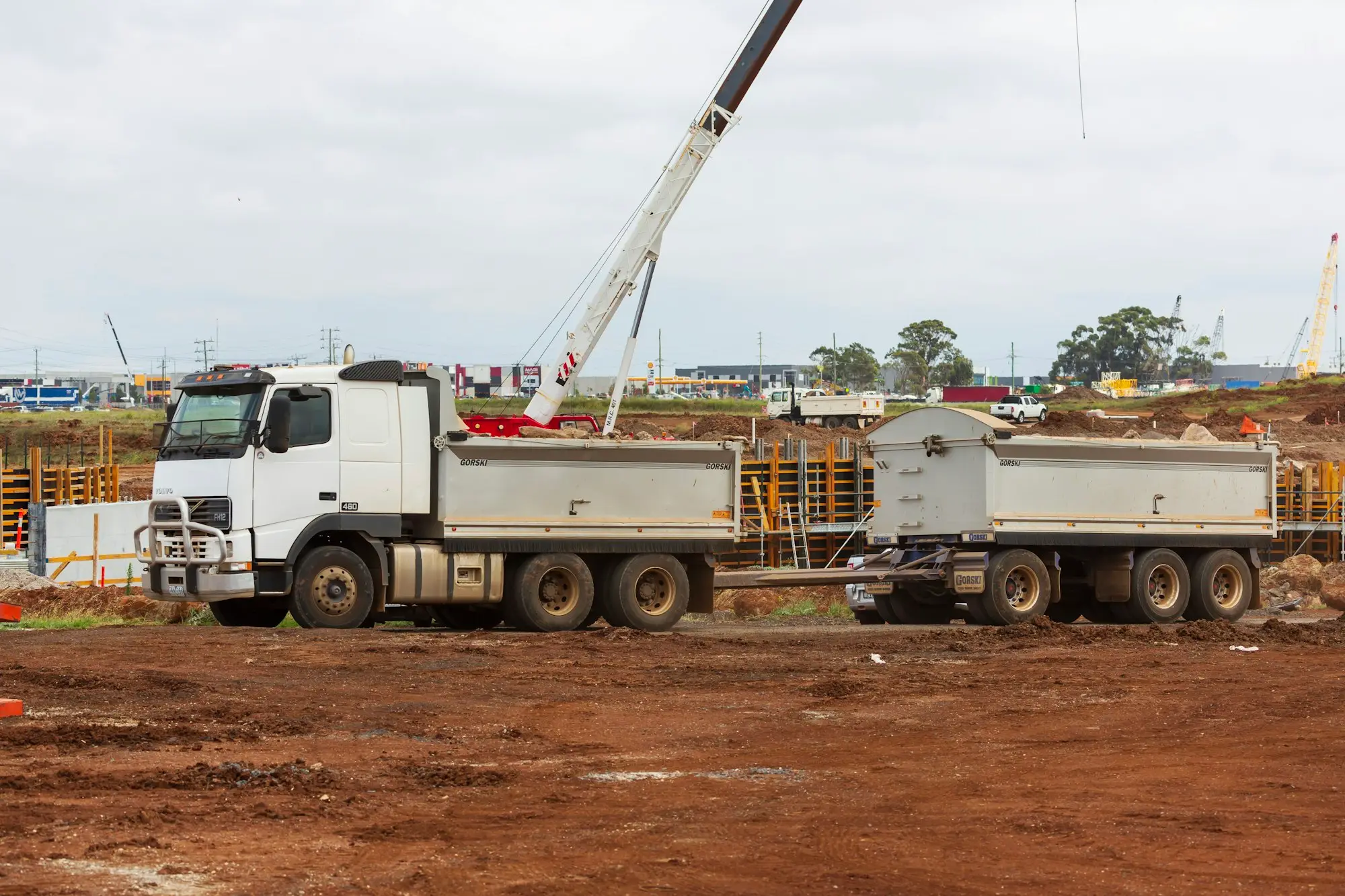
Quick answer
Light truck finance covers rigid trucks such as tippers, pantechs, tray trucks and refrigerated bodies used by builders, removalists, landscapers and delivery businesses. It's usually arranged as a chattel mortgage, with the truck as security. Lenders look closely at the body and fit-out, the truck's age at the end of the term and how the business will use it. Trucks aren't passenger vehicles, so the car limit doesn't apply.
Key points
- Most light trucks are financed through a chattel mortgage.
- The body — tipper, pantech, tray, refrigeration — affects value and lender appetite.
- Trucks aren't passenger vehicles, so the car limit cap doesn't apply.
- Check the licence class your drivers need before you buy.
- Usual structure
- Chattel mortgage
- Car limit
- Doesn't apply
- Key factor
- Body type and fit-out
- Suits
- Builders, removalists, delivery
What counts as a light truck?
In everyday business talk, a “light truck” is a rigid truck bigger than a van or ute but smaller than the heavy vehicles that haul freight interstate. Think of:
- tippers for builders, landscapers and civil contractors;
- pantechs for removalists and furniture delivery;
- tray and tautliner trucks for building supplies and wholesale delivery;
- refrigerated trucks for food, florists and catering;
- service bodies for mechanics, plumbers and electricians doing larger jobs.
The licence your drivers need depends on the truck’s gross vehicle mass, so check before you buy. Your state’s licensing authority sets out which class covers which trucks.
How is a light truck usually financed?
Most light trucks are bought through a chattel mortgage: your business owns the truck, and the lender holds security over it. GST-registered businesses can usually claim the GST in a dealer or auction price as a credit for business use. Because trucks aren’t passenger vehicles, the car limit doesn’t cap that credit or the depreciable cost.
| Option | When it suits |
|---|---|
| Chattel mortgage | Most single-truck purchases, new or used |
| Commercial hire purchase | Accountant or dealer preference |
| Finance lease | Businesses replacing trucks on a set cycle |
| Property-backed loan | A truck plus equipment, older trucks or several vehicles together |
What do lenders look at for trucks?
Trucks are bigger, more specialised assets than utes, so lenders dig a little deeper:
| Factor | Why it matters |
|---|---|
| Body type and builder | Determines resale value and lender comfort |
| Age at end of term | Many lenders cap it |
| Kilometres and hours | Wear affects value |
| Your industry and contracts | Shows how the truck earns its keep |
| Driver licensing | Confirms the business can operate it |
| Experience with trucks | Lenders like operators who’ve run one before |
If you’re new to running trucks, experience driving them for someone else, a contract in place or a deposit all help.
New, used or auction?
New light trucks can involve long build times for bodies. Used trucks with standard bodies are widely available through dealers, private sellers and auctions, especially ex-fleet and ex-council vehicles. If you plan to bid at auction, get approval in principle first — see auction vehicle finance.
Running costs to budget for
The finance repayment is just one line. Before buying, budget for:
- registration, which for trucks varies by state and vehicle mass;
- insurance, including goods-in-transit if relevant;
- tyres and servicing, which cost more than for light vehicles;
- fuel at real-world consumption with real loads;
- any compliance requirements for your industry.
These costs affect what you can comfortably repay, and lenders will look at the whole picture.
Moving up from a ute or van
Many businesses reach a point where a ute and trailer no longer cut it. Signs it’s time for a truck: you’re doing multiple trips for single jobs, you’re overloading the ute, or you’re hiring trucks so often it costs more than owning one. A light truck can lift capacity without the cost and complexity of a heavy vehicle. If you need something larger — prime movers, B-doubles — see heavy truck finance.
Illustrative example: a landscaper moves up to a tipper
Illustrative only. A landscaping company has been hiring a tipper three days a week. The owners find a five-year-old light tipper at an ex-council auction. They get approval in principle for a chattel mortgage first, win the auction within their limit, and the lender settles directly with the auction house. Owning the tipper ends the hire bills, and one of the crew already holds the right licence class.
Industries that rely on light trucks
- Construction and civil — tippers, trays, plant transport.
- Removalists — pantechs of every size.
- Wholesale and food distribution — refrigerated and curtain-side trucks.
- Landscaping and garden supplies — tippers and trays.
Questions to ask about the body and tail-lift
The body is often worth as much attention as the truck. Before buying, ask:
- Who built the body, and when? Recognised builders give lenders and future buyers confidence.
- What’s the body’s condition? Floors, walls, doors, tie-downs and rust all matter.
- Is there a tail-lift or crane, and is it serviced and compliant? Get the service records.
- Can the body be moved to a new chassis later? Some businesses re-body trucks, which affects long-term value.
- Is the body suited to the loads you carry? A tipper rated for soil may not suit rock.
Lease or own a light truck?
Most small businesses own their light trucks through a chattel mortgage, because they keep them for years and often modify them. Leases can make sense for businesses that replace trucks on a fixed cycle — for example, a distribution company that changes refrigerated trucks every five years. If you’re unsure, the business vehicle finance planner shows the structures that usually fit.
Need a truck to take on more work?
If a light truck would help your business take on bigger jobs, tell us what you’re looking at — the enquiry takes about a minute.
Asking doesn’t involve a credit check. Your enquiry goes to one specialist rather than being spread among lenders, and that person calls you to understand the truck, the body and the work it’ll do. Please give accurate details about the truck’s age, body type and your experience, so we can match you with the right lender first time. Start your enquiry.
Frequently asked questions
Can I finance a truck with a custom body?
Yes. Lenders will want details of the body and who built it. Common bodies like tippers, trays and pantechs are well understood; highly specialised bodies may suit fewer lenders.
Do I need a truck licence?
Depending on the truck's gross vehicle mass, your drivers may need a light rigid or medium rigid licence. Check with your state's licensing authority before you buy, because it affects who can drive it.
Can I finance a used light truck?
Yes. Lenders will look at the truck's age at the end of the term, kilometres, condition and service history. Older trucks may suit a shorter term or extra security.
Does the instant asset write-off apply to trucks?
The ATO's instant asset write-off applies only where each asset costs less than the threshold and the business is eligible. Most trucks cost more, so ask your accountant how depreciation will work.