Quick answer
Ute finance for business is usually written as a chattel mortgage, where your business owns the ute and the lender holds security over it. Utes designed mainly to carry goods generally aren't passenger vehicles under the ATO's car limit rules, so the cap on GST credits and depreciation may not apply. Many utes hold value well, which can make a balloon practical — as long as you plan the exit.
Key points
- Most business utes are financed through a chattel mortgage in the business's name.
- A ute designed mainly to carry goods may sit outside the car limit — check the specific model with your accountant.
- Trays, canopies and racks can often be included in the finance if supplied with the vehicle.
- Limited private use of a ute can be exempt from FBT for employers.
- Usual structure
- Chattel mortgage
- Car limit
- Often doesn't apply — check the model
- Fit-outs
- Often financeable with the ute
- Sellers
- Dealer, private or auction
Why is the ute Australia’s work vehicle?
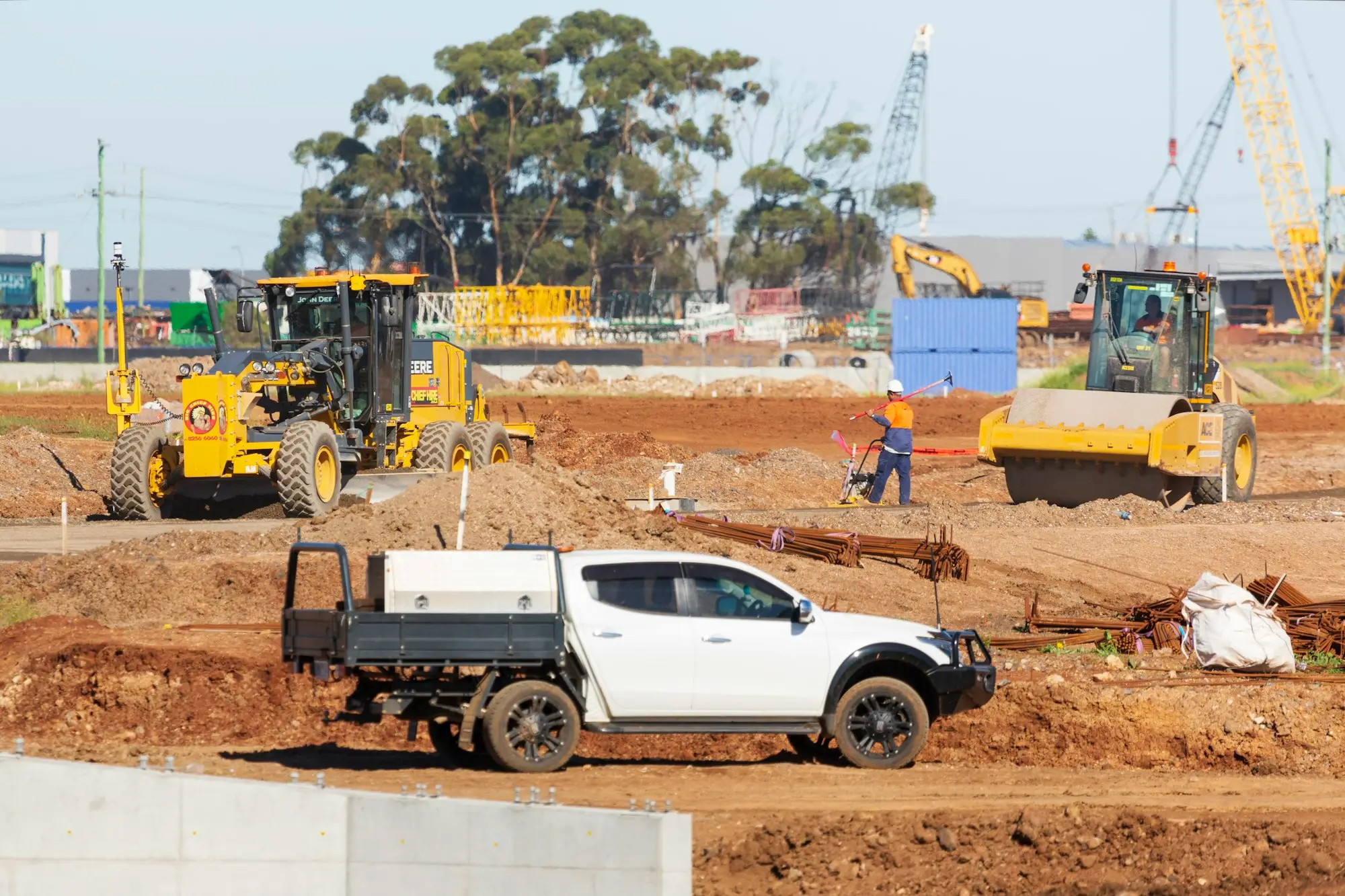
Walk past any building site, farm gate or suburban street on a weekday morning and you’ll see why. A ute carries tools and materials, tows a trailer, handles a dirt road and still seats a crew. For tradies, farmers, landscapers and contractors, the ute is often the single most important asset in the business — which is why getting the finance right matters.
Which finance structure suits a ute?
Most business utes are bought through a chattel mortgage. It’s straightforward: your business owns the ute from day one, the lender takes security over it, and a GST-registered business can usually claim the GST in a dealer price as a credit for business use.
| Structure | When it’s used for utes |
|---|---|
| Chattel mortgage | Most purchases — new, used, dealer, private or auction |
| Commercial hire purchase | Where an accountant or dealer programme prefers it |
| Finance lease | Fleets of identical utes on a fixed cycle |
| Operating lease | Less common — heavy fit-outs and kilometres clash with lease conditions |
| Property-backed loan | Several utes at once, or harder deals |
Does the car limit apply to utes?
This is where utes differ from cars. The ATO’s car limit — $69,883 for 2026–27 — caps the depreciable cost and GST credit for passenger vehicles. The ATO says it applies to vehicles designed to carry a load of less than one tonne and fewer than nine passengers, and that it doesn’t apply to vehicles that aren’t passenger vehicles.
Many single-cab utes and some dual-cabs are designed to carry a tonne or more, which can take them outside the car limit. Others aren’t. The design and payload of your specific model decides it, so ask your accountant before you rely on a bigger GST credit or depreciation claim. Our car limit page has the detail.
Fit-outs: trays, canopies, racks and drawers
A new ute often needs thousands in accessories before it’s ready to work. Whether those can be financed with the ute depends on how they’re supplied:
- Supplied and invoiced by the dealer with the ute — usually financeable as part of the deal.
- Fitted by a specialist on a separate invoice before settlement — sometimes financeable; ask the lender early.
- Added months later — usually paid separately, from cash flow or a separate facility.
Remember that heavy modifications may add less resale value than they cost, which matters if you’re planning a balloon.
Balloons and utes
Popular utes have historically held their value well, which is why balloons are common on them. A balloon lowers regular repayments but leaves a lump sum at the end and raises the total cost. It works best if you’ll trade the ute in after a few years and keep the kilometres reasonable. If you’ll run it hard for a decade, skipping the balloon usually makes more sense. Our balloon payments page explains the trade-off without numbers dressed up as promises.
FBT and private use of a ute
If your company provides a ute to an employee, private use might be a fringe benefit. But the ATO says limited private use of a ute, van or other eligible vehicle may be exempt from FBT. Typically that means things like driving it home and occasional minor private trips, not weekend holidays. Check the ATO’s conditions with your accountant — see FBT on business vehicles.
Towing: plan the whole rig
If the ute will tow, think about the trailer and the towing capacity together. A heavy plant trailer may need a ute with a higher towing rating — and possibly a different licence. A trailer can sometimes be financed with the ute or separately; see trailer finance.
Single cab, extra cab or dual cab?
| Body | Works well for |
|---|---|
| Single cab, tray | Maximum load space, farm and trade use |
| Extra cab | Storage behind the seats, occasional passenger |
| Dual cab, tub or tray | Crews of up to five, mixed work and family use |
The choice changes more than the seating. It can affect payload, towing, car limit status and how a lender values the ute. Think about the work first.
Illustrative example: a landscaper’s second ute
Illustrative only. A landscaping business with one ute wins enough work to run a second crew. It finds a two-year-old single-cab tray-back at a dealer with a full service history. Through a chattel mortgage with no balloon, the business owns the ute outright at the end of the term. The tray and toolboxes are on the dealer invoice, so they’re in the finance. The business claims the GST on its next BAS after confirming with its bookkeeper.
Ute running costs to budget for
Before you commit, add up fuel, tyres, servicing, insurance, registration and any fit-out maintenance. A realistic running-cost budget alongside the repayments shows what the ute really costs the business each month.
Ready to get your next ute on the road?
Whether it’s your first ute or your fifth, tell us about it and your business — the enquiry takes about a minute. If you’re a tradie, the tradie vehicle finance page covers your common questions too.
We don’t run a credit check when you first enquire. Your details aren’t passed around a crowd of lenders; one specialist reads them and calls you. Please be accurate about the ute, the seller, any fit-out and how long you’ve held your ABN, so we can line up the right structure first time. Start here.
Frequently asked questions
Does the car limit apply to dual-cab utes?
It depends on the vehicle's design. The car limit applies to passenger vehicles designed to carry less than one tonne and fewer than nine passengers. Some dual-cab utes are classed differently from single-cab utes depending on their payload and design, so check the specific model with your accountant.
Can I include the tray and canopy in the finance?
Usually, if the fit-out is supplied and invoiced with the vehicle. Fit-outs added later by a separate supplier may need separate finance or cash.
Is a balloon a good idea on a ute?
It can be, because popular utes often hold their value. The risk is high kilometres or heavy modification reducing what it's worth when the balloon falls due.
Can I finance a ute bought privately?
Yes. A chattel mortgage works for private sales; the lender will want the seller's details, the VIN and a clear PPSR search, and it pays the seller directly.