Quick answer
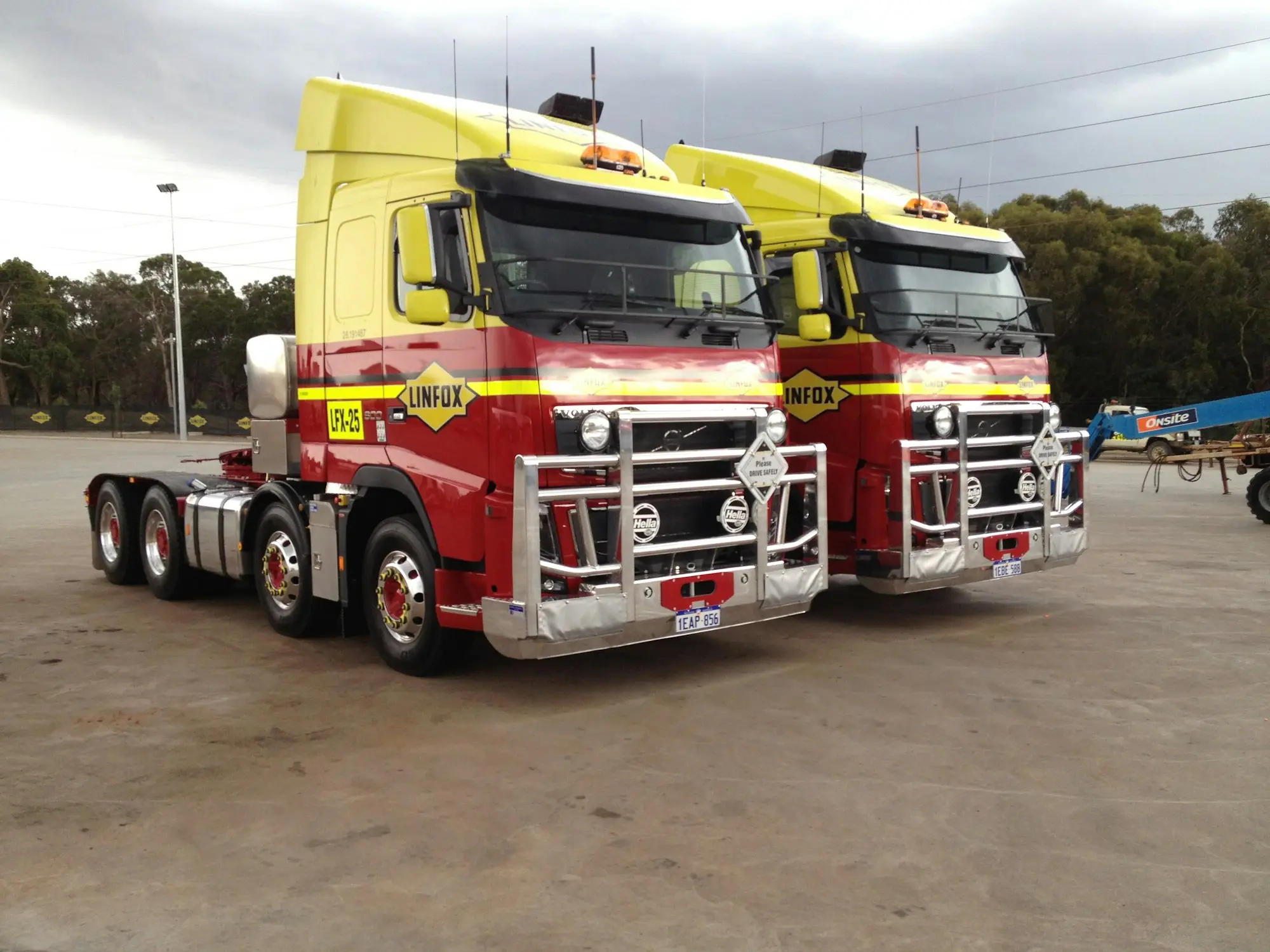
Heavy truck finance covers prime movers, heavy rigid trucks and the trailers that go with them. It's usually arranged as a chattel mortgage or finance lease with the truck as security, though larger packages may use property. Lenders focus on your experience operating heavy vehicles, the contracts or work behind the truck, its age and kilometres, and how the whole combination will earn income.
Key points
- Experience in heavy transport and contracted work are the biggest factors.
- Prime movers and trailers can be financed together or separately.
- Heavy vehicles are registered under the national scheme administered by the NHVR.
- Property-backed funding can cover a whole combination plus working capital.
- Usual structures
- Chattel mortgage, finance lease
- Key factors
- Experience, contracts, vehicle age
- Registration
- National heavy vehicle scheme
- Bigger packages
- Property-secured, $20k–$5m
Who needs heavy truck finance?
Owner-drivers and small fleets are a big part of Australian road transport, and many finance their trucks rather than paying cash. Heavy truck finance is for:
- owner-drivers buying their first prime mover to subcontract to a larger carrier;
- small fleets adding a truck to service a new contract;
- specialist operators — livestock, tippers and dogs, tankers, car carriers, refrigerated freight;
- businesses moving freight in house rather than paying a carrier.
How is a heavy truck financed?
| Structure | Typical use |
|---|---|
| Chattel mortgage | Most prime movers and heavy rigids |
| Finance lease | Operators replacing trucks on a fixed cycle |
| Commercial hire purchase | Some lenders and dealer programmes |
| Property-backed loan | Truck plus trailers plus working capital, or older equipment |
Because heavy trucks aren’t passenger vehicles, the car limit doesn’t cap the GST credit or depreciable cost. GST-registered operators buying from a dealer or other registered seller can usually claim the GST in the price for business use.
What do lenders want to see?
Heavy vehicles are high-value, specialised assets, and transport is a demanding industry. Lenders look hard at:
| Factor | What helps |
|---|---|
| Experience | Years driving or operating heavy vehicles, with the right licence |
| Work | Contracts, subcontract agreements or a steady customer base |
| The truck | Make, model, age at end of term, kilometres, service history |
| The combination | How the prime mover and trailers work together |
| Your business | ABN history, bank statements, BAS, financials for bigger deals |
| Deposit or security | Deposit, trade-in or property |
New owner-drivers can get finance, but expect to show experience and work. A new ABN with a subcontract and years behind the wheel is a much stronger story than a new ABN alone.
Prime mover, trailers and dollies
A prime mover is only half the combination. Trailers, dollies and specialised equipment can be financed:
- together with the prime mover, if bought from the same seller at the same time;
- separately, under their own agreements — see trailer finance;
- in a property-backed facility, especially when trailers are older or the package is large.
Matching terms across the combination keeps replacement planning simpler.
Registration and compliance
Heavy vehicles are registered under national arrangements, and the National Heavy Vehicle Regulator administers heavy vehicle law in participating states and territories. Registration costs vary with the vehicle’s configuration. Budget for registration, insurance, maintenance and compliance before you commit — these are big numbers in heavy transport and lenders will consider them.
Running costs that shape affordability
- fuel at real-world loaded consumption;
- tyres, which are a major line item;
- servicing and repairs, including unplanned downtime;
- insurance, including goods in transit;
- registration and road-use charges;
- driver wages if you’re not the only driver.
Building a realistic budget is the best preparation for a finance conversation. If the numbers work only on the best week of the year, it’s worth re-thinking the truck or the contract.
Illustrative example: an owner-driver’s first prime mover
Illustrative only. A driver with ten years’ experience for a regional carrier is offered a subcontract to run his own prime mover on the same routes. He registers an ABN and GST, has a deposit saved, and finds a late-model used prime mover through a dealer. A lender with an owner-driver policy approves a chattel mortgage based on his experience, the subcontract and the deposit. The carrier supplies the trailers, so he only needs to finance the prime mover.
When the fleet starts to grow
Once you’ve got two or three trucks, managing separate agreements with different end dates gets messy. A single facility, aligned terms or a property-backed loan can simplify things — see fleet finance.
Choosing between new and used prime movers
| New | Used | |
|---|---|---|
| Price | Highest | Lower |
| Lead time | Can be long for some models | Often immediate |
| Warranty | Full | Limited or none |
| Finance terms | Longest available | Age limits at end of term apply |
| Fuel efficiency and safety | Latest technology | Varies by year |
| Downtime risk | Lower | Higher — check history carefully |
For owner-drivers, downtime is the big hidden cost. A cheaper truck that spends weeks in the workshop can cost more than a newer one in lost runs. If you buy used, get a thorough pre-purchase inspection and a full service history.
Questions to ask the carrier you’ll subcontract to
If you’re subcontracting, the carrier’s terms matter as much as the truck:
- How long is the subcontract, and what notice period applies?
- Who supplies trailers, fuel cards and tolls?
- What vehicle specifications are required — age, emissions standard, equipment?
- How and when are you paid?
Lenders will ask similar questions, so having clear answers speeds things up.
Insurance and finance
Lenders require comprehensive insurance on financed heavy vehicles, with their interest noted. Get quotes before you buy — premiums for prime movers vary widely with the driver’s history, the freight and the routes.
Ready to talk trucks?
If you’re buying your first prime mover or adding to a fleet, tell us about the truck and your work — it takes about a minute.
There’s no credit check just for enquiring, and your details aren’t fired off to a long list of lenders. A real person who understands transport finance reads your enquiry and calls you. Accurate details — the truck, the trailers, your experience and the work lined up — make the biggest difference to finding a lender who’ll say yes. Get started.
Frequently asked questions
Can a first-time owner-driver get prime mover finance?
It's possible, but lenders want to see heavy-vehicle driving experience, ideally with a contract or subcontract lined up. A deposit or property ownership improves the options considerably.
Can I finance the trailer with the prime mover?
Often, yes, especially if both are bought from the same seller. If the trailer is older or specialised, it may need separate finance or a property-backed loan.
How old can a prime mover be?
Each lender has its own age limits, usually measured at the end of the finance term. Older trucks may be financed over shorter terms or with extra security.
Do I need a contract to get finance?
Not always, but a contract or regular subcontracting work is one of the strongest things you can show a lender, especially if you're new to owning a truck.