Quick answer
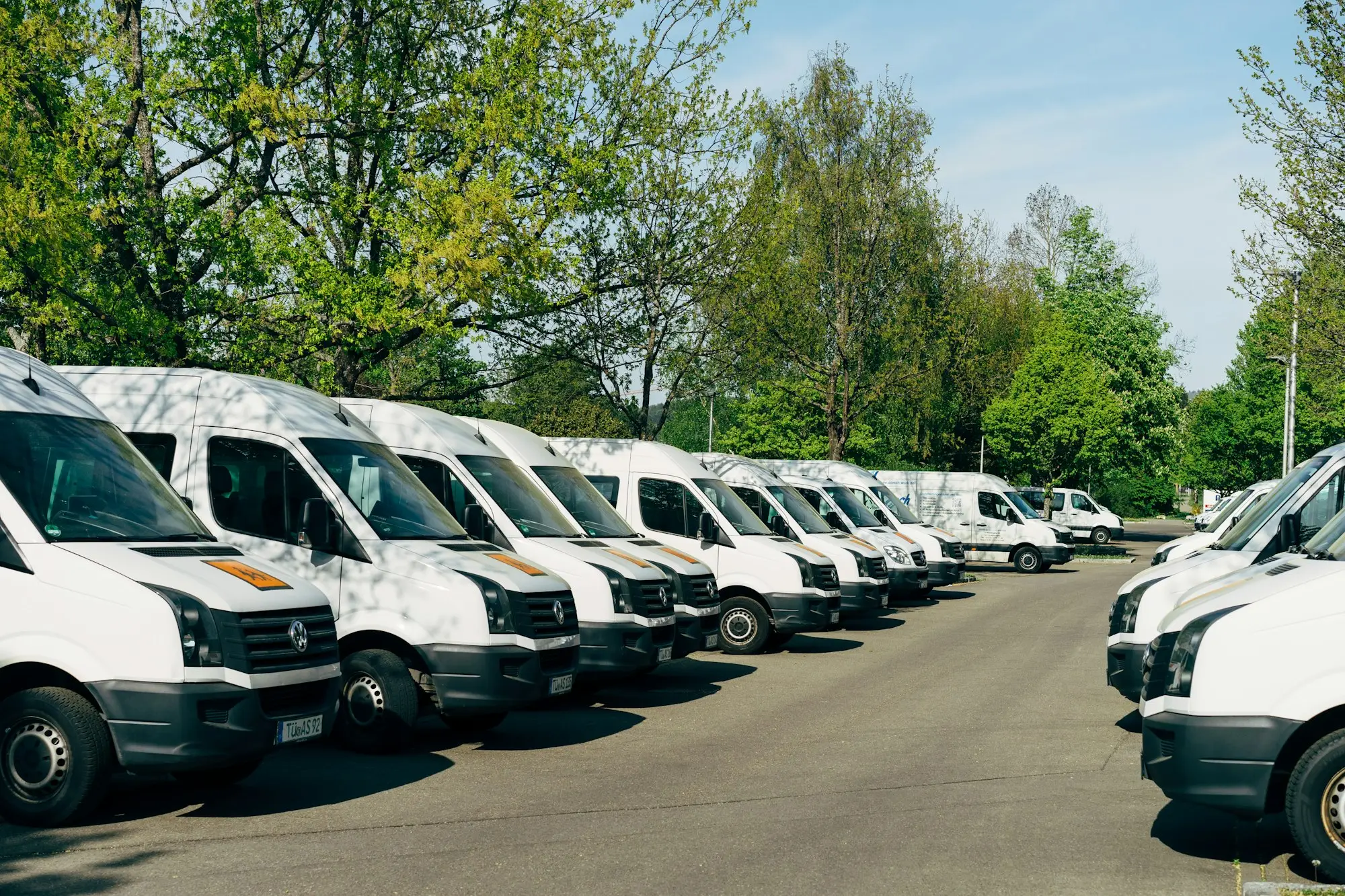
Courier vehicle finance helps owner-drivers and delivery businesses buy the vans, cars and light trucks that carry parcels. Lenders look at your contract or platform income, how long you've been driving, the vehicle's suitability for high kilometres and your ABN history. A chattel mortgage is the usual structure, with electric vans an option for predictable city routes and depot charging.
Key points
- Contracts, subcontracts and platform earnings history are key evidence.
- High kilometres mean planning replacement cycles and careful balloons.
- Electric vans can suit predictable urban routes with overnight charging.
- New owner-drivers can get finance with experience and work lined up.
- Common vehicles
- Small to large vans, light trucks
- Usual structure
- Chattel mortgage
- Key evidence
- Contract or platform income
- Watch
- Kilometres and downtime
The courier’s vehicle is the business
For an owner-driver, the van is the income. No van, no deliveries, no pay. That makes three things matter more than anything else in courier vehicle finance: getting approval as fast as possible, choosing a vehicle that can handle the kilometres, and planning the next replacement before the current vehicle becomes unreliable.
Who we help in delivery
- owner-drivers subcontracting to parcel and freight companies;
- platform drivers delivering through app-based services;
- last-mile delivery businesses running a few vans across a city;
- specialist couriers — medical, legal documents, same-day business deliveries;
- food and grocery delivery operators, including refrigerated vans.
Which vehicle for which route?
| Work | Often suits |
|---|---|
| City parcels, tight streets | Small or medium van; electric where charging is reliable |
| Suburban multi-drop | Medium to large van |
| Bulky goods, furniture, white goods | Large van or light truck |
| Refrigerated food | Van or light truck with a refrigeration unit |
| Documents and small items | Small car or compact van |
See van finance and light truck finance for vehicle-specific detail.
What lenders want from couriers
| Evidence | Why it matters |
|---|---|
| Contract or subcontract | Shows guaranteed or regular work |
| Platform earnings history | Shows real income over time |
| Bank statements | Confirms deposits and spending pattern |
| ABN and GST history | Shows how long you’ve been operating |
| Driving experience | Especially if the ABN is new |
| Vehicle choice | Must suit the route and the kilometres |
If you’re new to running your own vehicle, a contract in hand and years of driving for someone else make a strong case. See vehicle finance for new ABNs.
Kilometres, balloons and replacement
Courier vans rack up kilometres quickly. That affects finance in two ways:
- Balloons need care. A van with very high kilometres can be worth less than expected at the end of the term. If you use a balloon, keep it conservative.
- Replacement planning matters. Decide when you’ll replace the van — by kilometres or years — and set the finance term to match. Changing over before reliability drops protects your income.
Electric vans for delivery
Electric vans can suit delivery work: predictable daily kilometres, stop-start driving and overnight charging at home or a depot. Before you commit:
- check real-world range with your typical load and in summer heat;
- confirm you can charge reliably — at home, at a depot or nearby;
- check battery warranty and service options in your area;
- compare total running costs, not just the purchase price.
Tax basics for couriers
If you’re registered for GST and buy from a dealer, you can usually claim the GST in the price for business use. Vans designed mainly to carry goods are generally outside the car limit. For car expenses, sole traders can use the cents-per-kilometre or logbook method; for vans and other non-car vehicles, the ATO says actual costs apply. Your accountant will set this up properly — keep fuel, toll and service receipts from day one.
From one van to a small fleet
Many courier businesses start with one owner-driver and grow by adding vans and drivers. Once you’ve got three or more, aligning finance terms and planning replacements together saves headaches. See fleet finance.
Illustrative example: an owner-driver’s second van
Illustrative only. An owner-driver has subcontracted to a parcel company for three years. He’s offered a second run and needs another van and driver. With three years of bank statements showing steady contract income and a clean repayment history on his first van, he finances a late-model medium van through a chattel mortgage, matching the term to his first van so both can be replaced together.
Contract, subcontract or platform: how lenders see each
Not all courier income looks the same to a lender:
| Income type | How lenders tend to view it |
|---|---|
| Direct contract with a business customer | Strong, especially with a fixed term |
| Subcontract to a parcel or freight company | Strong if there’s a track record or written agreement |
| App-based platform work | Viewed on earnings history; longer history helps |
| Ad hoc jobs | Harder to rely on; bank statements need to show consistency |
Mixing income sources is common, and that’s fine. What matters is that your bank statements show steady, explainable deposits.
Downtime planning
For a courier, a van in the workshop means a run handed to someone else — and sometimes a contract at risk. Before you buy, think about:
- warranty and service intervals, and whether the dealer offers loan vehicles;
- roadside assistance that covers commercial vehicles;
- a relief vehicle plan, such as a short-term rental arrangement;
- replacement timing, so the van is changed before reliability drops.
Insurance requirements
Lenders require comprehensive insurance on financed vehicles. Couriers should also think about goods-in-transit cover and whether their contract requires specific insurance. Factor premiums into your budget when you work out what you can comfortably repay.
Need a van for your next run?
Tell us about the work and the vehicle — the enquiry takes about a minute.
There’s no credit check when you first enquire. Your details stay with one specialist rather than being shopped to a bunch of lenders, and that person calls you to understand your contract or platform income and the vehicle you need. Please be accurate about your earnings and how long you’ve been driving — it’s what gets you matched with the right lender first time. Start your enquiry.
Frequently asked questions
Can I get van finance if I deliver for an app-based platform?
Often, yes. Lenders will want to see your earnings history from the platform, your bank statements and your ABN details. A longer history of steady earnings helps.
I have a new courier contract but no trading history. Can I get finance?
Possibly. A signed contract and experience driving for someone else are strong evidence. A deposit or property ownership improves the options further.
Should I take a balloon on a courier van?
Be careful. Courier vans do high kilometres, which can reduce resale value faster than average. A small balloon or none, with a planned replacement date, is often safer.
Are electric vans worth it for couriers?
They can be for urban routes with predictable kilometres and reliable overnight charging. Check real-world range with full loads and in hot weather before committing.